
Sports Supplements: When Athletes Need More Than Whole Foods
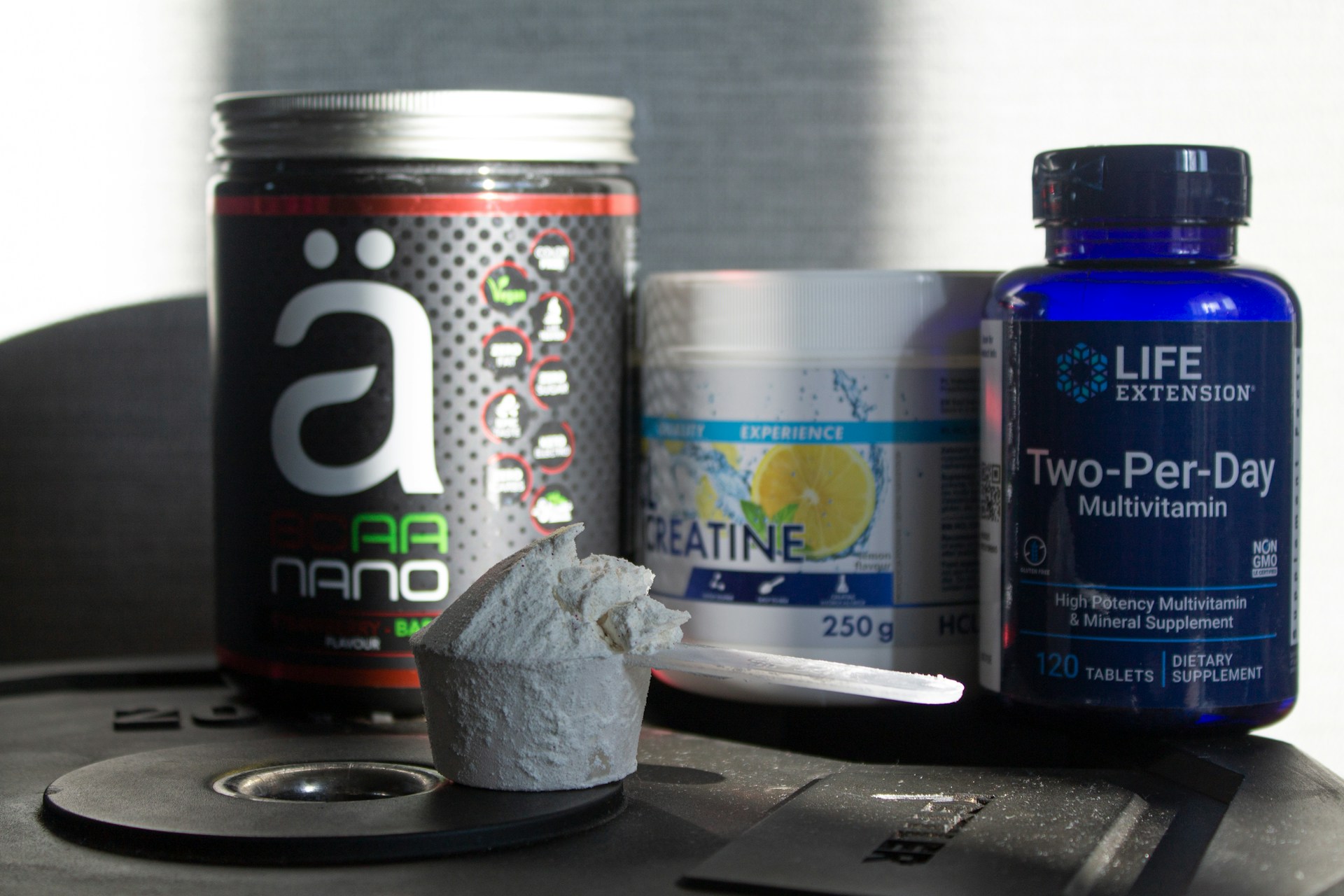
Whole foods are the backbone of any healthy diet. They provide fiber, antioxidants, vitamins, and minerals in their most natural form. Athletes benefit tremendously from eating a variety of fresh fruits, vegetables, lean proteins, and whole grains. But even with the best efforts, whole foods may not always cover the extraordinary demands of athletic performance. Also, the science behind athlete nutrition needs to show how training schedules, travel, and increased energy expenditure can leave gaps that are difficult to fill with diet alone. This is where sports supplements can become a useful addition rather than a replacement.
Higher Demands of Athletic Lifestyles
The average adult may require a balanced diet for steady health, but athletes function at a different level. They burn more calories, lose more electrolytes through sweat, and place greater strain on muscles, joints, and bones. Meeting these needs through food alone can be challenging. Imagine trying to replace every lost nutrient after a marathon or intense training session solely with regular meals. The volume of food required could be overwhelming and impractical. Supplements allow athletes to meet these demands more efficiently without overloading their digestive systems.
Recovery Beyond Meals
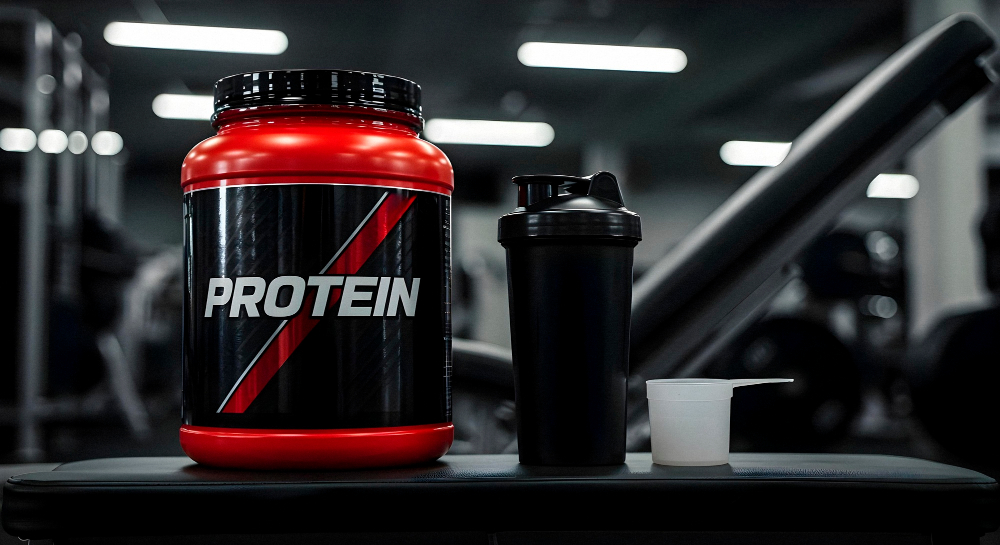
Recovery is a critical phase in any athlete’s routine. Muscles need amino acids for repair, glycogen stores need replenishing, and inflammation must be managed. While a balanced post-workout meal is ideal, it is not always accessible. A protein shake or amino acid supplement can deliver nutrients in minutes, speeding up the recovery process. These tools don’t replace proper meals but ensure the body receives what it needs at the right moment. For athletes, recovery delays can lead to injuries, which is why supplements play a protective role.
Energy and Endurance Support
Carbohydrates are the body’s main fuel for exercise, but timing and availability matter. Energy gels, powders, and drinks provide quick, digestible carbohydrates when whole foods would be too slow or heavy. During long training sessions or competitions, athletes rely on these supplements to maintain steady performance levels. Without them, fatigue can strike early, and endurance may suffer. Supplements fill the gap between what the body needs instantly and what whole foods can realistically provide at the time.
Address Micronutrient Shortfalls
Vitamins and minerals may not provide calories, but they control countless processes vital for performance. Iron, for example, carries oxygen to muscles. Vitamin D supports bone health. Magnesium helps regulate muscle contractions and energy production. Even with varied diets, athletes can fall short, especially if they have dietary restrictions or increased losses from training. Supplements serve as a safeguard, ensuring these essential nutrients are available in adequate amounts. This is particularly important for athletes whose diets eliminate certain food groups.
Balance Safety and Effectiveness
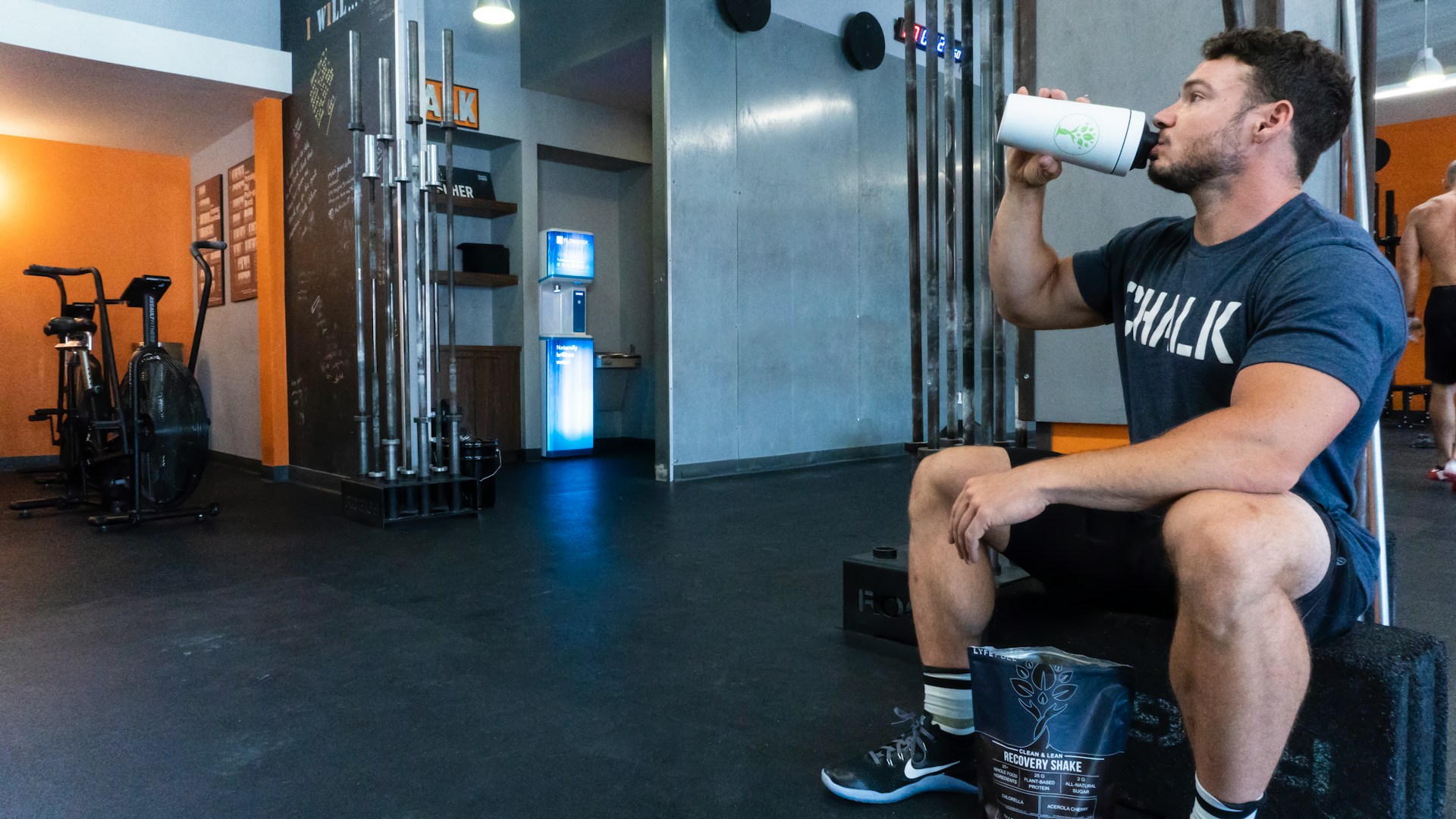
Supplements should always be approached with care. Not all products are created equal, and some may contain unnecessary additives or banned substances. Athletes need to ensure the quality of what they consume by choosing third-party tested brands and consulting with qualified nutrition professionals. More is not always better, and the utmost caution should be applied to avoid overuse. Supplements are meant to complement, not dominate, an athlete’s nutrition strategy. A balanced approach maximizes benefits while minimizing risks.
At the core, whole foods remain irreplaceable. They provide diverse nutrients and health benefits that no single supplement can mimic. Yet in the world of sports, where performance and recovery are pushed to their limits, supplements hold an undeniable place. They offer precision, convenience, and timeliness that meals cannot always match. When used wisely, they bridge the gap between daily nutrition and peak performance. For athletes striving to heal faster, train harder, and compete stronger, the partnership of food and supplements creates the foundation for sustainable success.