
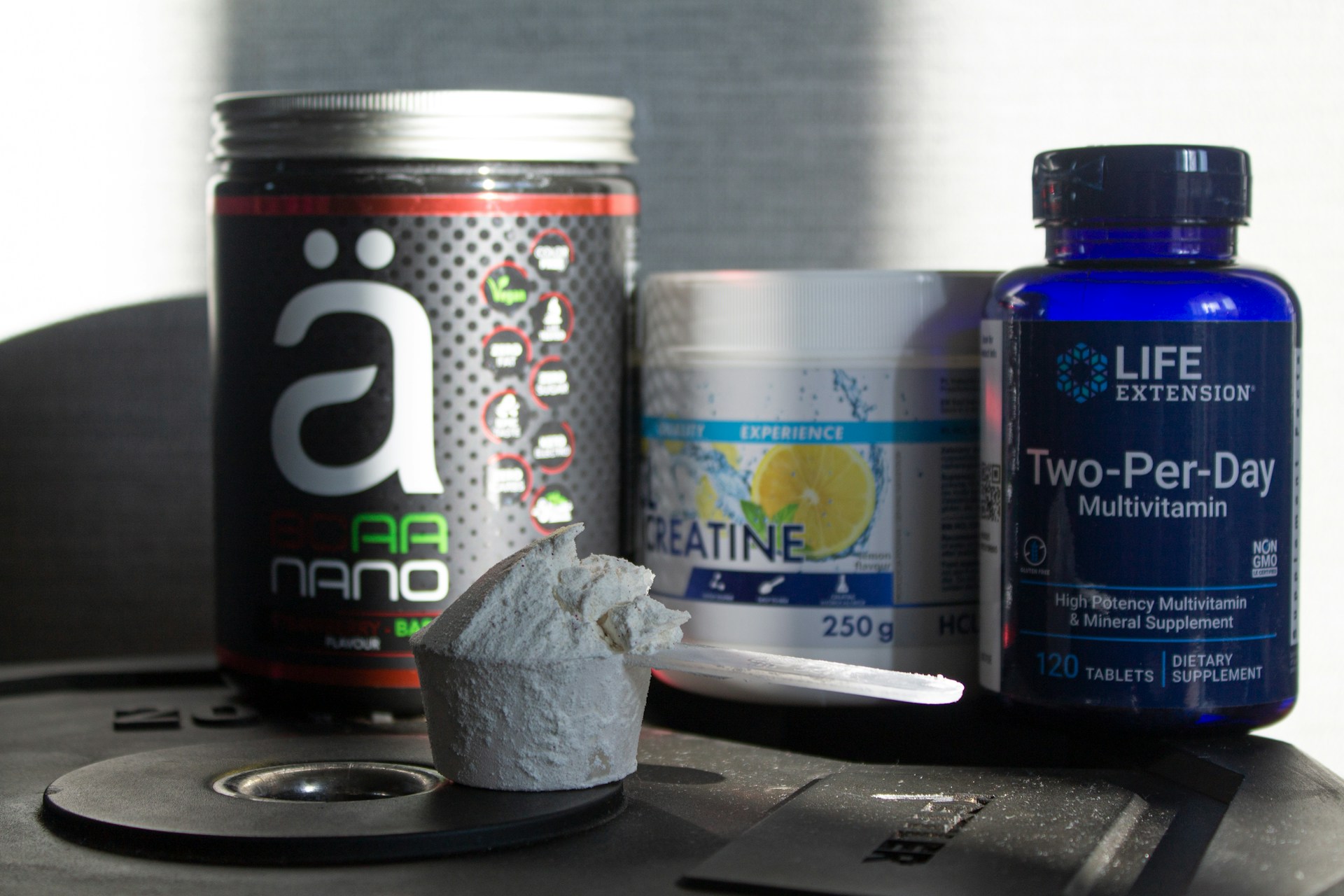
Sports Supplements: When Athletes Need More Than Whole Foods
Whole foods are the backbone of any healthy diet. They provide fiber, antioxidants, vitamins, and minerals in their most natural form. Athletes benefit tremendously from eating a variety of fresh fruits, vegetables, lean proteins, and whole grains. But even with the best efforts, whole foods may not always cover the extraordinary demands of athletic performance. Also, the science behind athlete nutrition needs to show how training schedules, travel, and increased energy expenditure can leave gaps that are difficult to fill with diet alone. This is where sports supplements can become a useful addition rather than a replacement.
Higher Demands of Athletic Lifestyles
The average adult may require a balanced diet for steady health, but athletes function at a different level. They burn more calories, lose more electrolytes through sweat, and place greater strain on muscles, joints, and bones. Meeting these needs through food alone can be challenging. Imagine trying to replace every lost nutrient after a marathon or intense training session solely with regular meals. The volume of food required could be overwhelming and impractical. Supplements allow athletes to meet these demands more efficiently without overloading their digestive systems.
Recovery Beyond Meals

Recovery is a critical phase in any athlete’s routine. Muscles need amino acids for repair, glycogen stores need replenishing, and inflammation must be managed. While a balanced post-workout meal is ideal, it is not always accessible. A protein shake or amino acid supplement can deliver nutrients in minutes, speeding up the recovery process. These tools don’t replace proper …