
The Surprising Health Benefits of Blood Donation
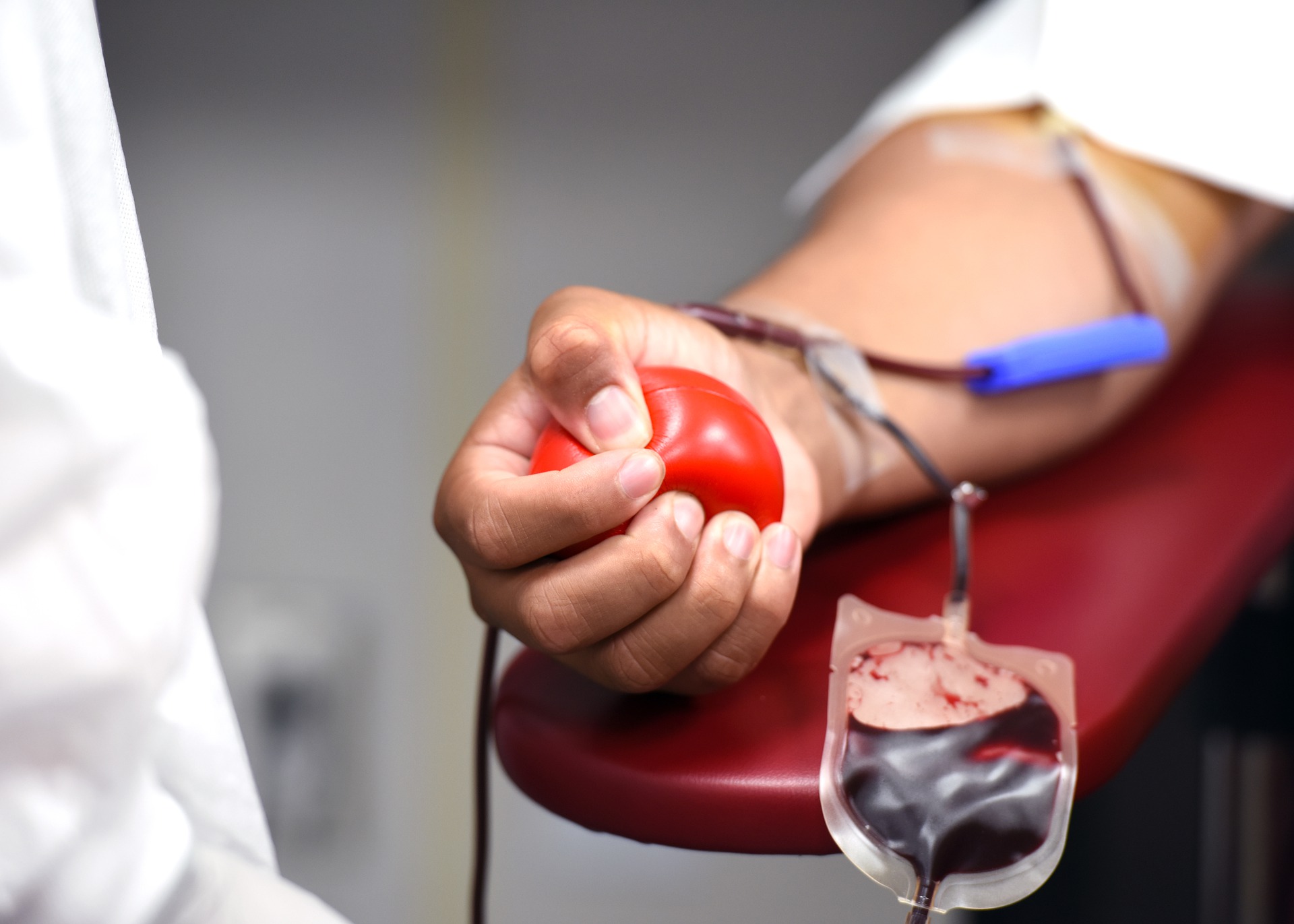
According to the American Red Cross, every two seconds, a person in the United States needs blood, and a single donation can save up to three lives. And as a result of COVID-19, there is an urgent need for blood donations along with a fantastic amount of safe participation sites across the country. The need for donations is high right now, and every donation helps. As posted in
https://www.dondusang.net/quatre-bienfaits-que-pr%25c3%25a9sente-le-geste-gratuit-du-don-de-sang/, there are some health benefits donors receive as bonuses that might surprise you.
A Quick Mini Checkup
 Before you can donate, you’ll have to pass a simple physical exam and blood test. This will measure your temperature, pulse, blood pressure, among others. A lab will test will determine if your blood is free from infectious. If anything comes back positive, you’ll know right away. Of course, this is not a reason to skip your annual checkup with your primary care physician or other health professional. However, it’s one more way to identify potential health issues – like blood pressure problems or very low blood values – that you might ask your doctor about as a follow-up.
Helps Balance Your Iron Levels
Iron is vital for our body’s red blood cell production. A healthy adult typically consumes about 5 grams of iron at a time. But too much iron can affect your blood vessels and could increase your risk for heart attack or stroke, or even mess with organ function. When you donate blood, you lose about a quarter of a gram of iron per unit, which gets replenished by your nutrition after you donate. Experts say regulating your iron levels through blood donation is a good thing. However, for the nearly 10 percent of people who have anemia, a deficiency of red blood cells or hemoglobin (most commonly due to an iron deficiency), it is ideal not to donate blood until the challenge is modified. The same goes for anyone with a possible iron deficiency.
Makes Your Blood Flow Better
According to o health experts, donating blood could result in minimal arterial blockages. Because regular blood donors tend to lead healthy lifestyles, unlike the general population, they are much less likely to suffer from heart attacks, strokes, or cancer. The American Journal of Epidemiology found that blood donors are 88% less likely to have a heart attack.
Helps Your Mental Well-Being
Doing good for others is a great feeling. With the opportunity to save three lives every time you contribute, knowing that you are making a difference and helping others can relieve stress and lift your spirits. This positive health impact could even lead to a longer life, according to research published in the journal Health Psychology. It found that people who volunteer to help others have a significantly lower risk of dying in about four decades.
Leave a Reply